History of Phewa Lake
Phewa Lake
History of Phewa Lake
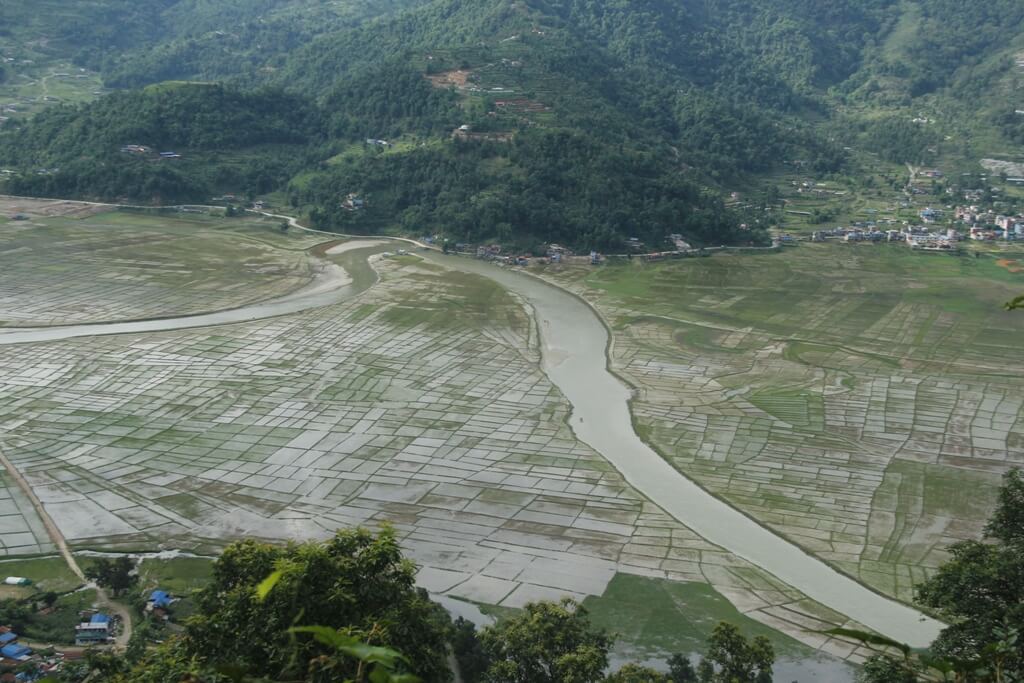
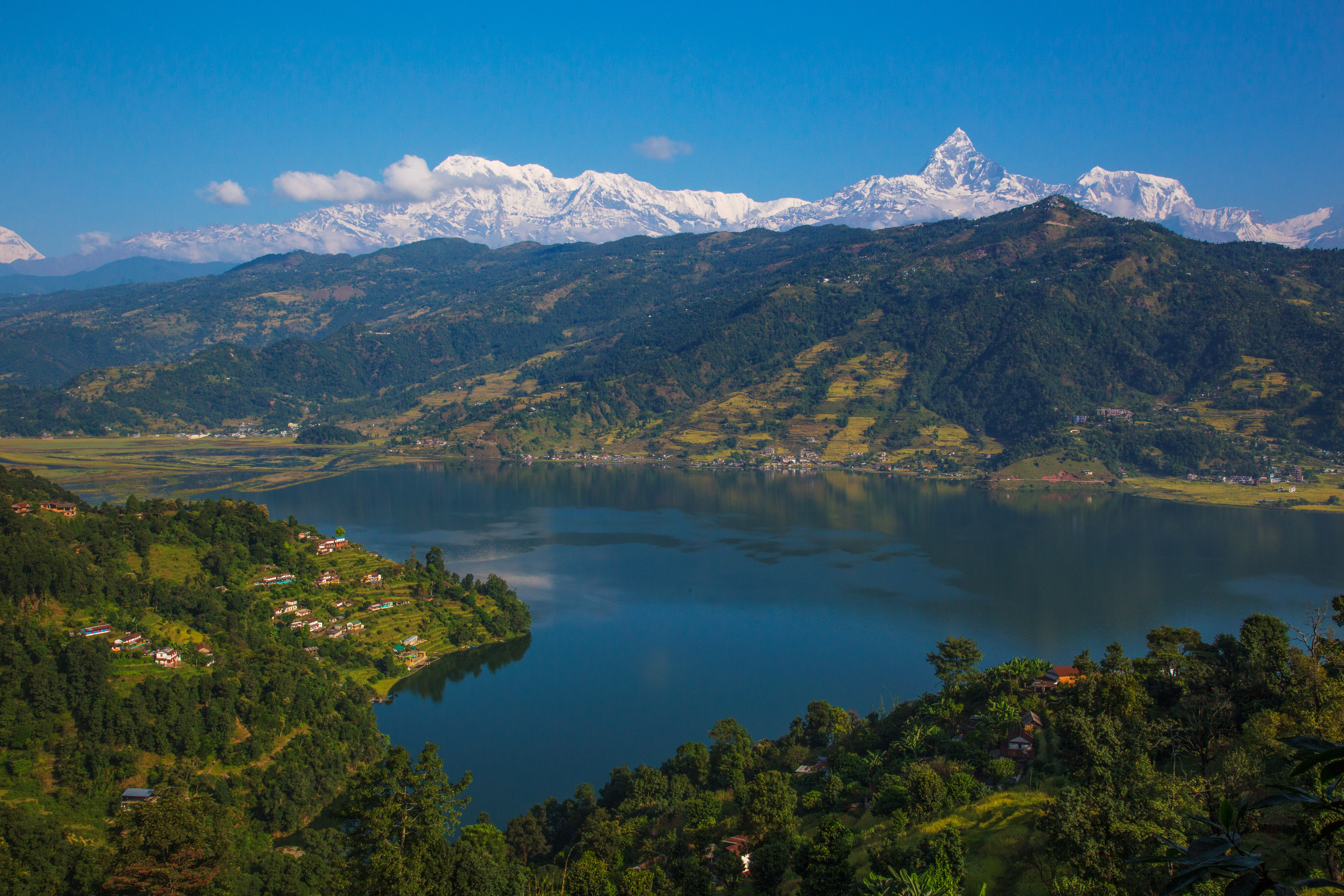
Phewa Lake (also known as Pewa or Fewa Lake), located in Pokhara, is Nepal's second-largest lake and holds a rich natural and cultural history. Scientific sediment analysis reveals the lake's origin dates back to around 13,000 BC, making it one of the oldest lakes in the region. Geologists believe it was formed by the damming of tributaries due to landslides and sediment accumulation from the Seti River over thousands of years, following a significant geological event. Legends add a mystical layer, telling of a goddess whose anger caused floods that created the lake, reflecting the region's folklore and spiritual traditions. Historically, Phewa Lake has been central to the local economy, providing water for irrigation, transport, and fisheries for centuries. The lake's pristine waters and scenic location below the Annapurna and Machhapuchhre ranges have made it a critical resource, popular for both locals and travelers. The construction of a dam in 1971 further changed the landscape, expanding the lake. Today, the celebrated Tal Barahi Temple sits on an island at its center, and the area is vital for Pokhara's tourism, hydroelectricity, and culture. However, in recent years, the lake has faced threats from urbanization, encroachment, and sedimentation, prompting renewed conservation efforts.
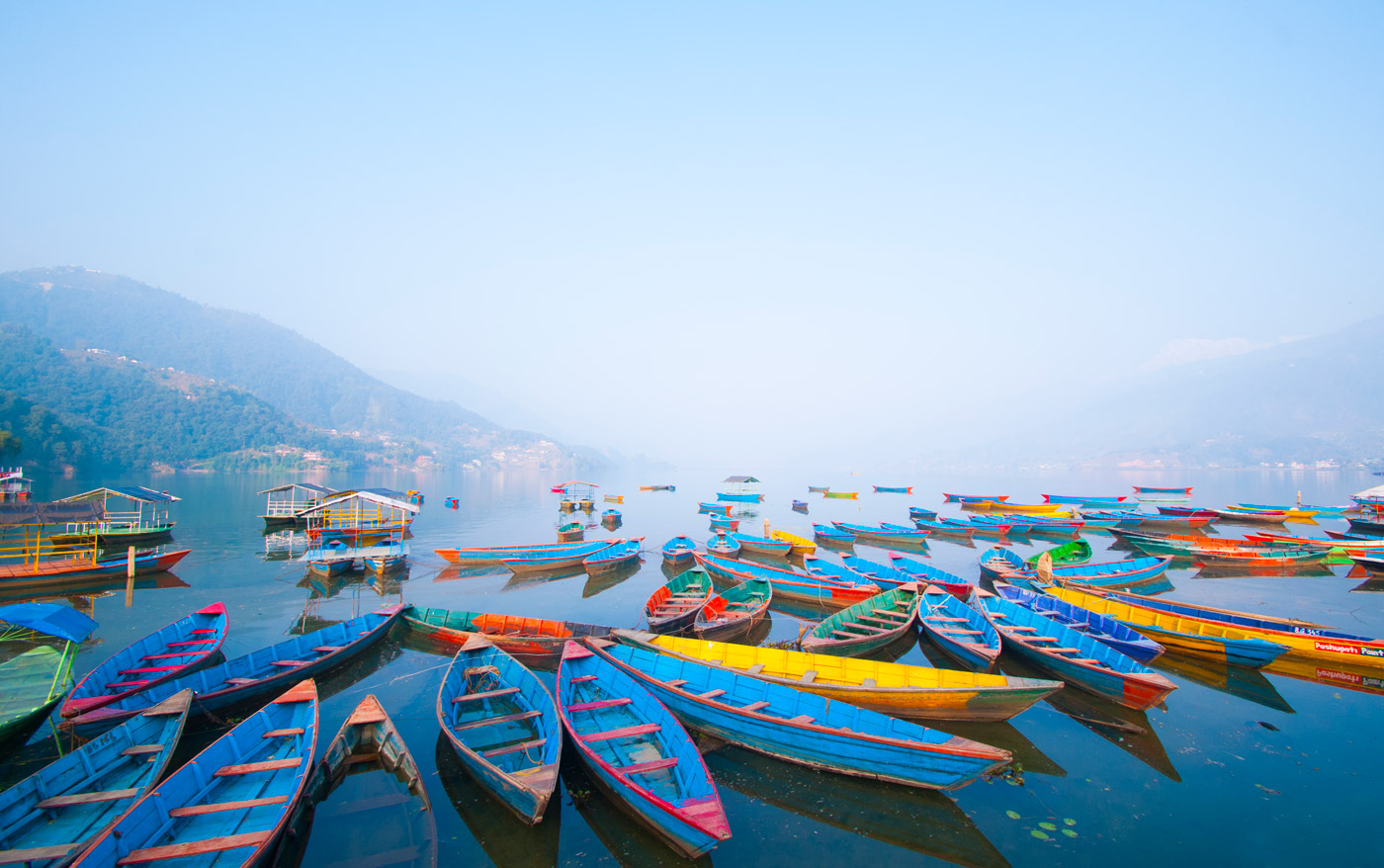
Boating on Phewa Lake
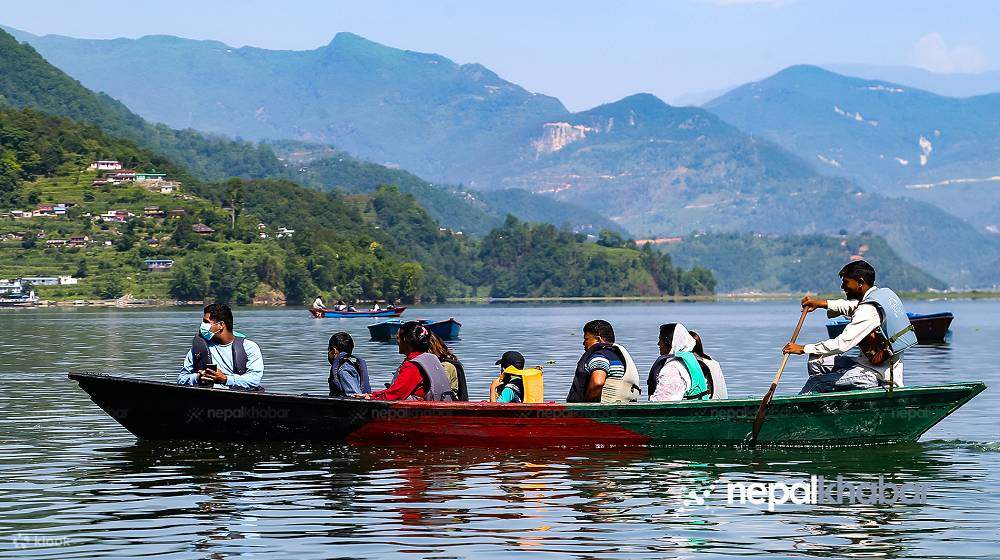
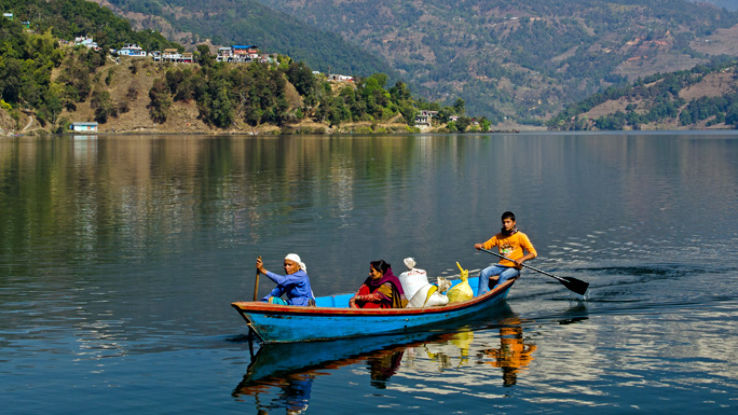
Boating on Phewa Lake in Pokhara is a must-do activity, allowing visitors to glide over tranquil waters surrounded by lush hills and stunning views of the Annapurna mountains. Colorful rowboats and paddleboats are easily available for rent, taking travelers to the iconic Tal Barahi Temple and offering serene sunset experiences.
Tal Barahi Temple
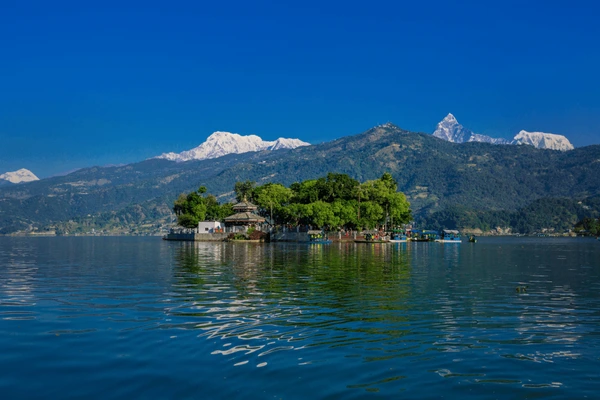
Tal Barahi Temple is a revered two-story pagoda dedicated to Goddess Barahi, an incarnation of Durga, located on a small island in the middle of Phewa Lake, Pokhara. Accessible only by boat, the temple is a major pilgrimage and tourist site, known for its spiritual serenity and panoramic Annapurna mountain views.Tal Barahi Temple is a two-story pagoda-style Hindu temple dedicated to Goddess Barahi (Durga), located on an island in the center of Phewa Lake, Pokhara. Accessible only by boat, it is a prominent spiritual and cultural site, attracting devotees and travelers seeking serenity and blessings amidst scenic beauty.
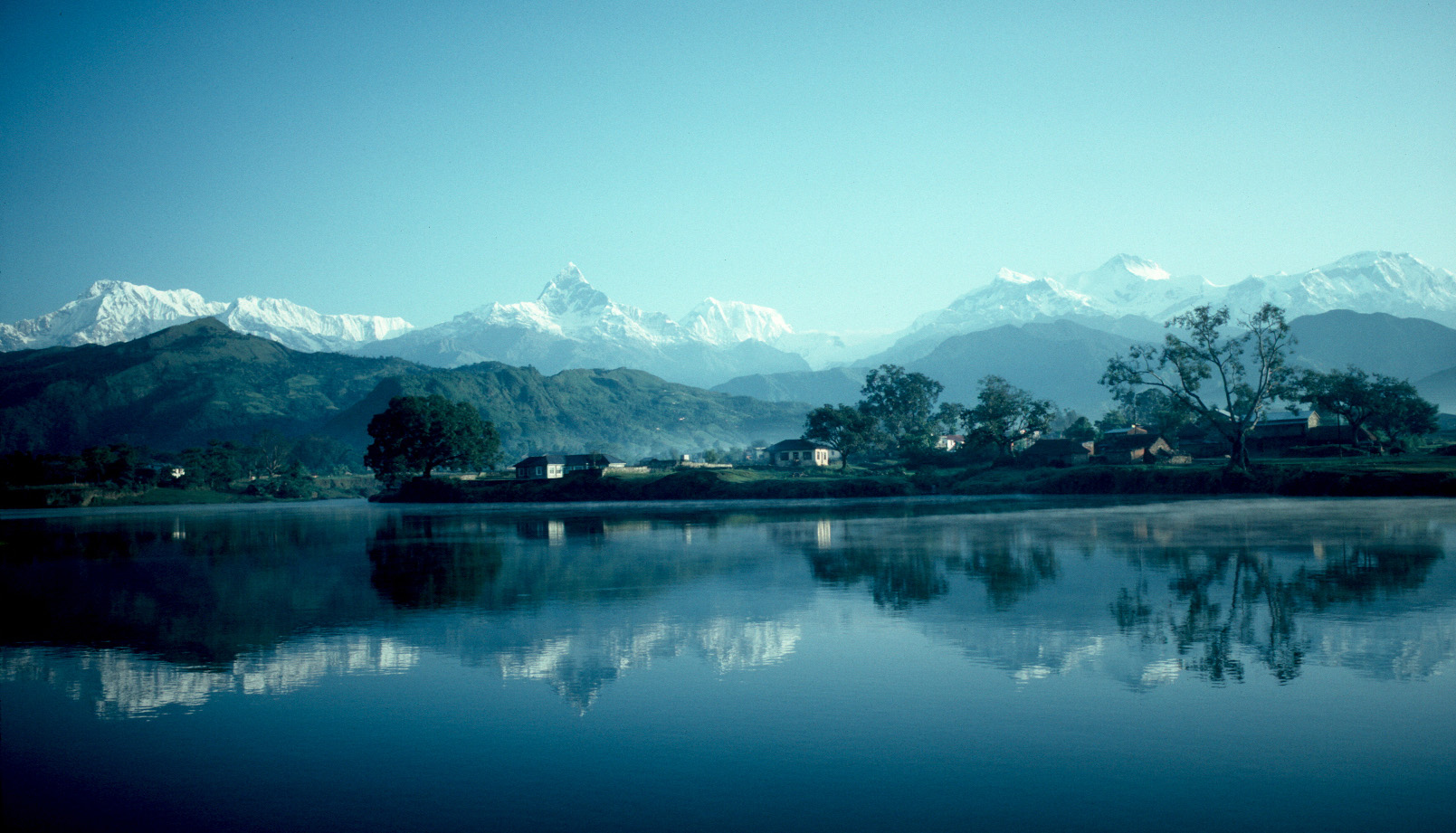
Mountain Reflections on Phewa Lake
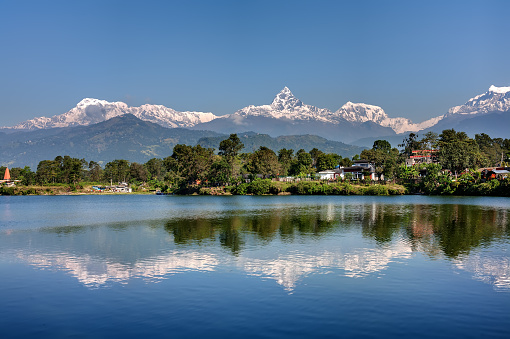
Phewa Lake in Pokhara is world-famous for its stunning reflections of the Annapurna and Machhapuchhre mountain ranges glimmering on its calm blue waters. Early mornings and clear days reveal a perfect mirror image of snow-capped peaks, creating a breathtaking natural spectacle cherished by nature lovers and photographers alike.
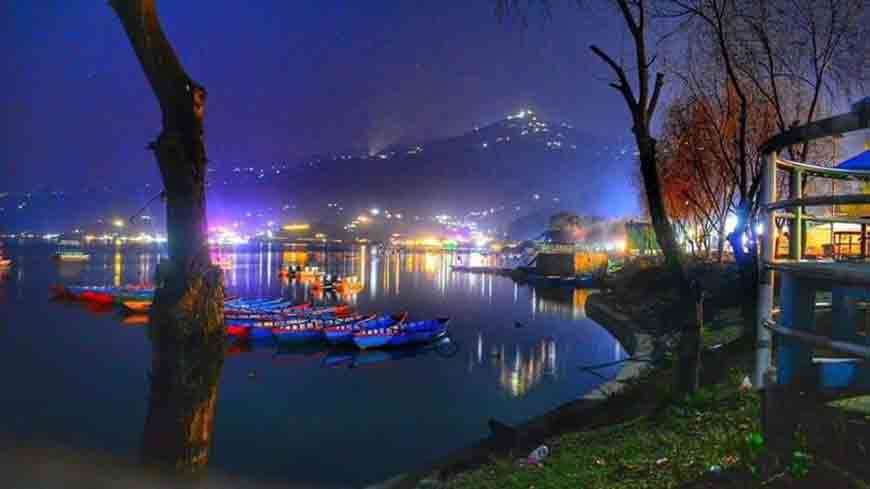
Evening at Lakeside Pokhara
Evening at Lakeside Pokhara is vibrant and relaxing, filled with lively cafes, bars, and restaurants offering local and international cuisine. Visitors enjoy serene walks along the lake, colorful sunset views over Phewa Lake, live music performances, and peaceful boat rides. The atmosphere blends natural beauty with cultural charm, perfect for unwinding after a day of adventure.
Visitors Image Gallery