History of Rara Lake
Rara Lake
History of Rara Lake
Rara Lake, Nepal's largest freshwater lake, is located in the remote Karnali region of northwest Nepal at an elevation of 2,975 meters. It was formed thousands of years ago by glacial activity during the last ice age, creating a basin surrounded by Himalayan forests and mountains. Historically, the lake region was dominated by the Malla dynasty in the 14th century and later became part of the Kingdom of Nepal in the 18th century, serving as an important water source and center for local Thakuri and Malla communities. The lake became the centerpiece of Rara National Park in 1976, and residents of nearby villages were resettled to Nepalgunj for conservation reasons. In 2007, Rara Lake was designated a Ramsar site, highlighting its global ecological significance. Rara Lake is a pilgrimage destination for both Hindus and Buddhists, with traditions and festivals linked to Thakur Baba's temple on the shore. The indigenous flora and fauna are protected within the national park, which hosts rare endemic fish, unique plant species, and over 200 types of birds. Today, Rara Lake remains celebrated for its pristine environment, cultural importance, and unparalleled natural beauty in Nepal.
Largest Lake in Nepal
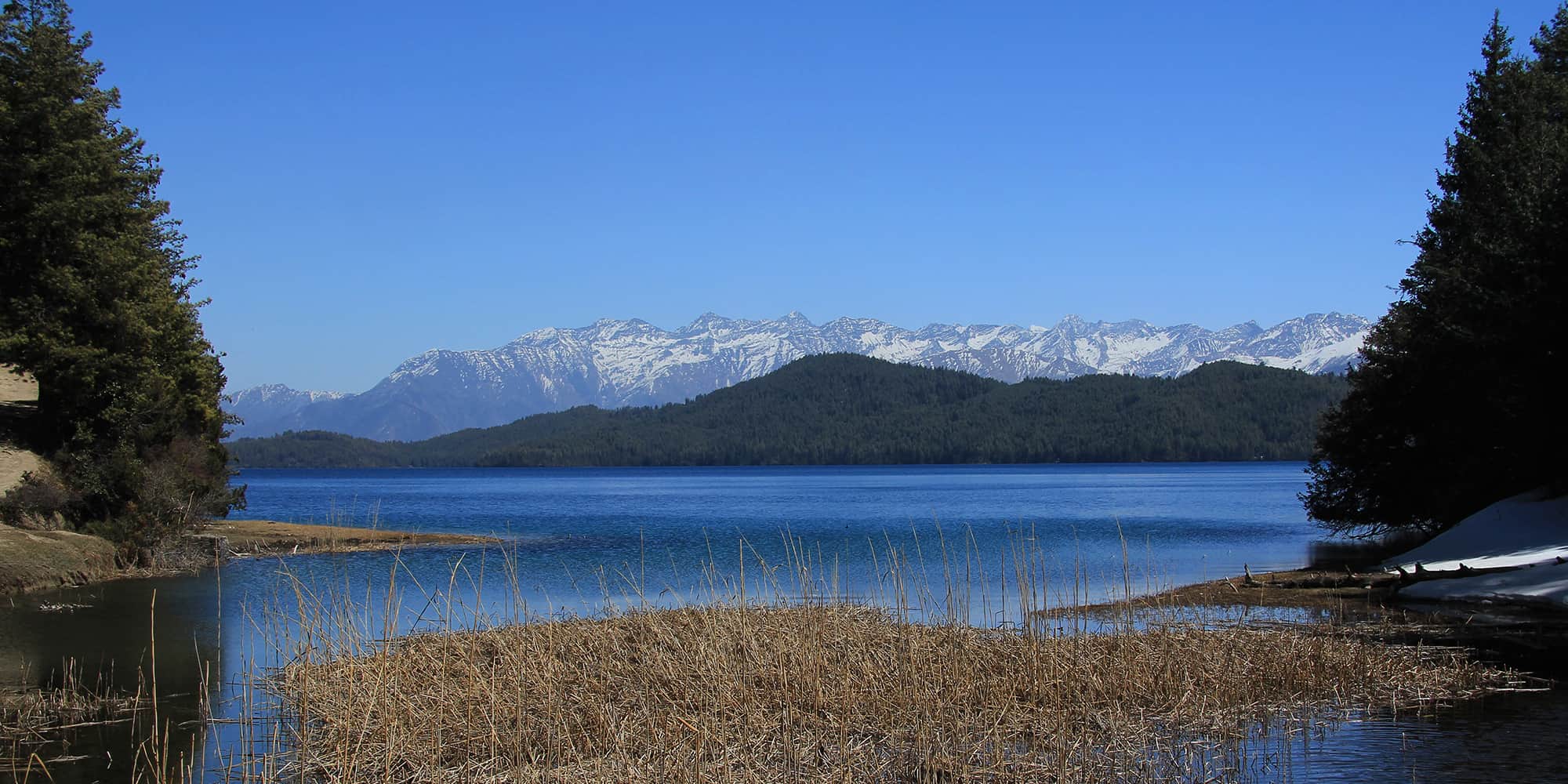
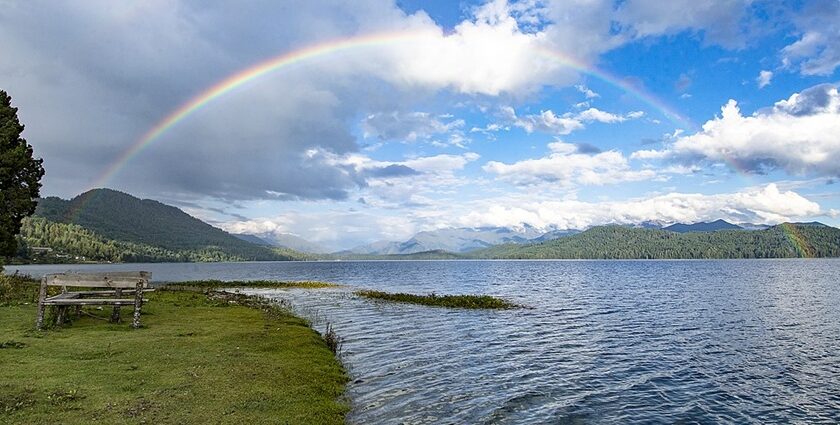
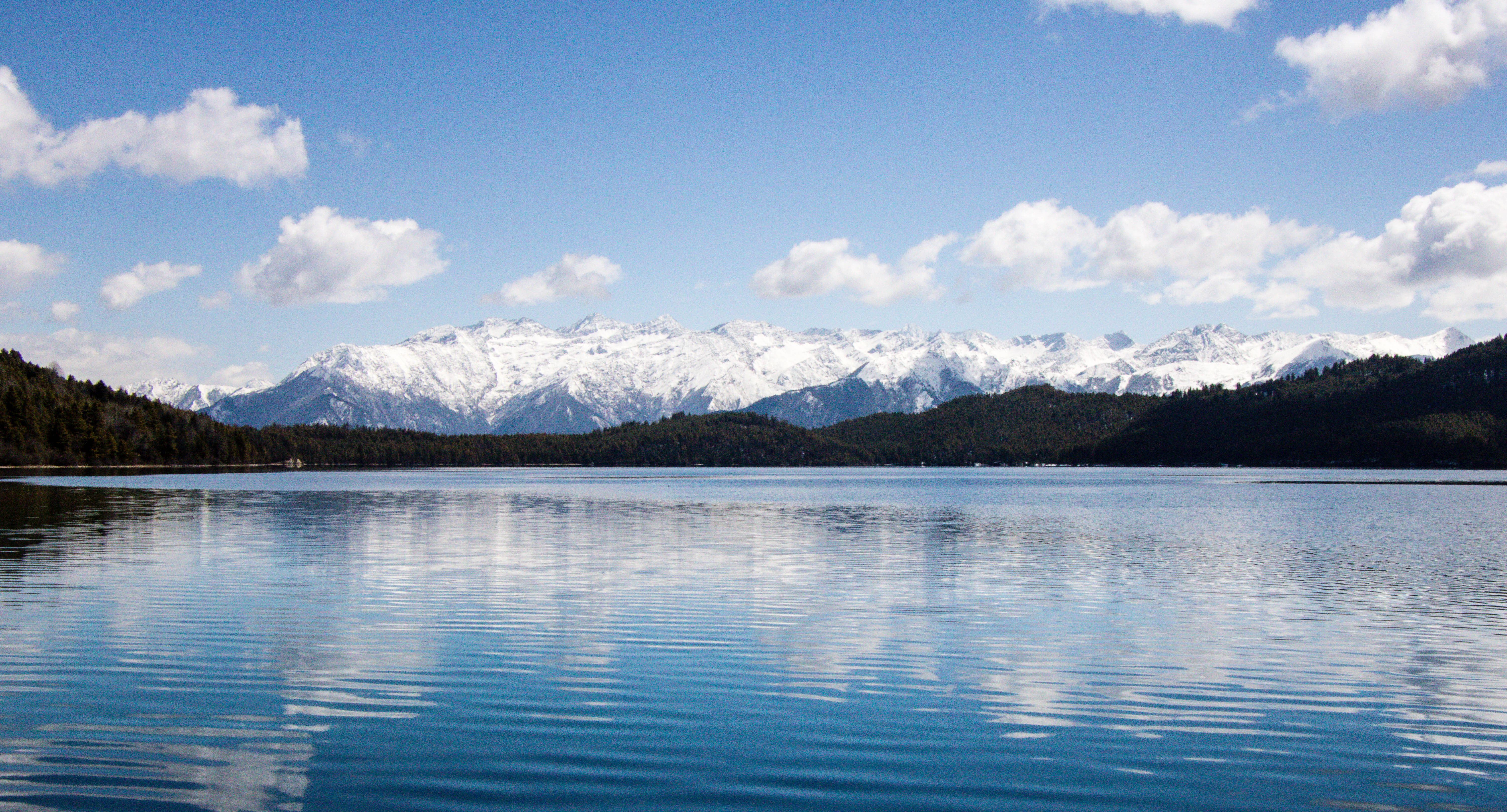
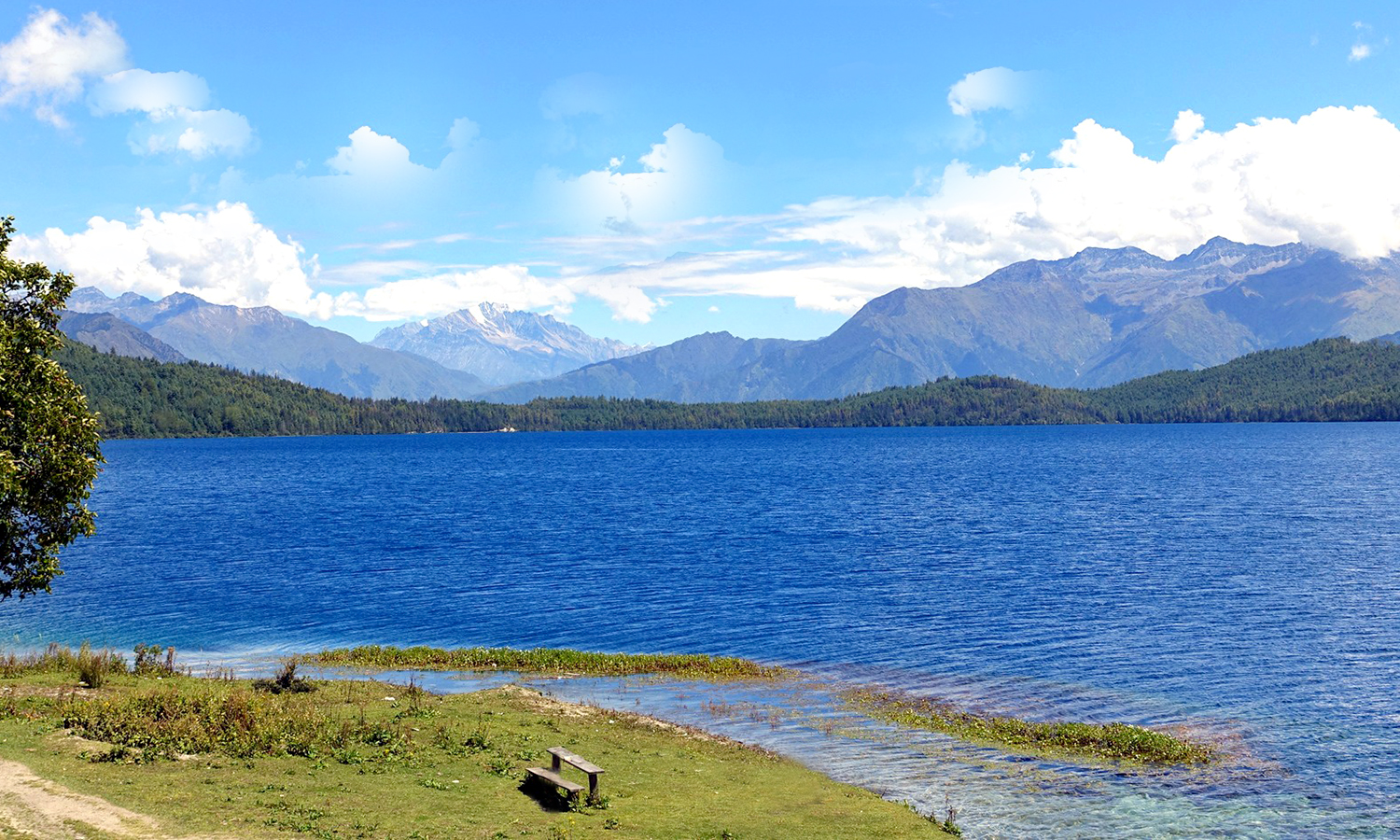
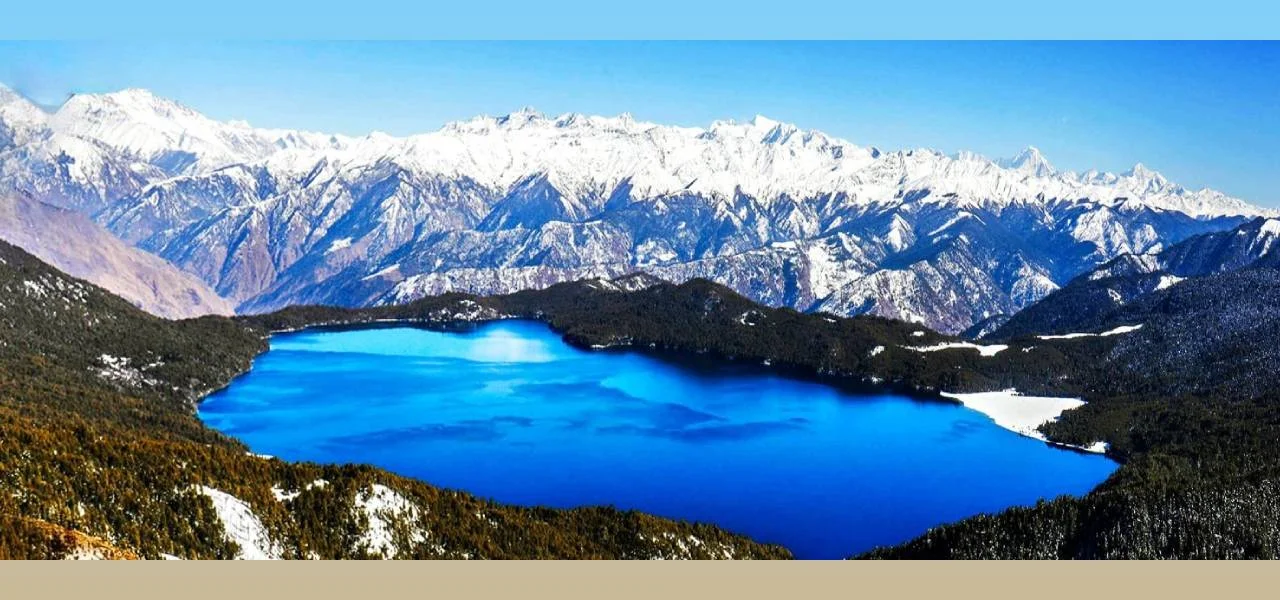
Rara Lake is the largest freshwater lake in Nepal, located in the Mugu district at an altitude of approximately 2,990 meters. Covering an area of 10.8 square kilometers and reaching a depth of 167 meters, this pristine alpine lake is known for its striking blue color and serene beauty. Surrounded by dense Himalayan forests and towering peaks, Rara Lake is a protected Ramsar wetland and the centerpiece of Rara National Park. Its remote location and crystal-clear waters attract nature lovers, trekkers, and birdwatchers, making it a unique ecological and cultural treasure for Nepal.
Rara National Park
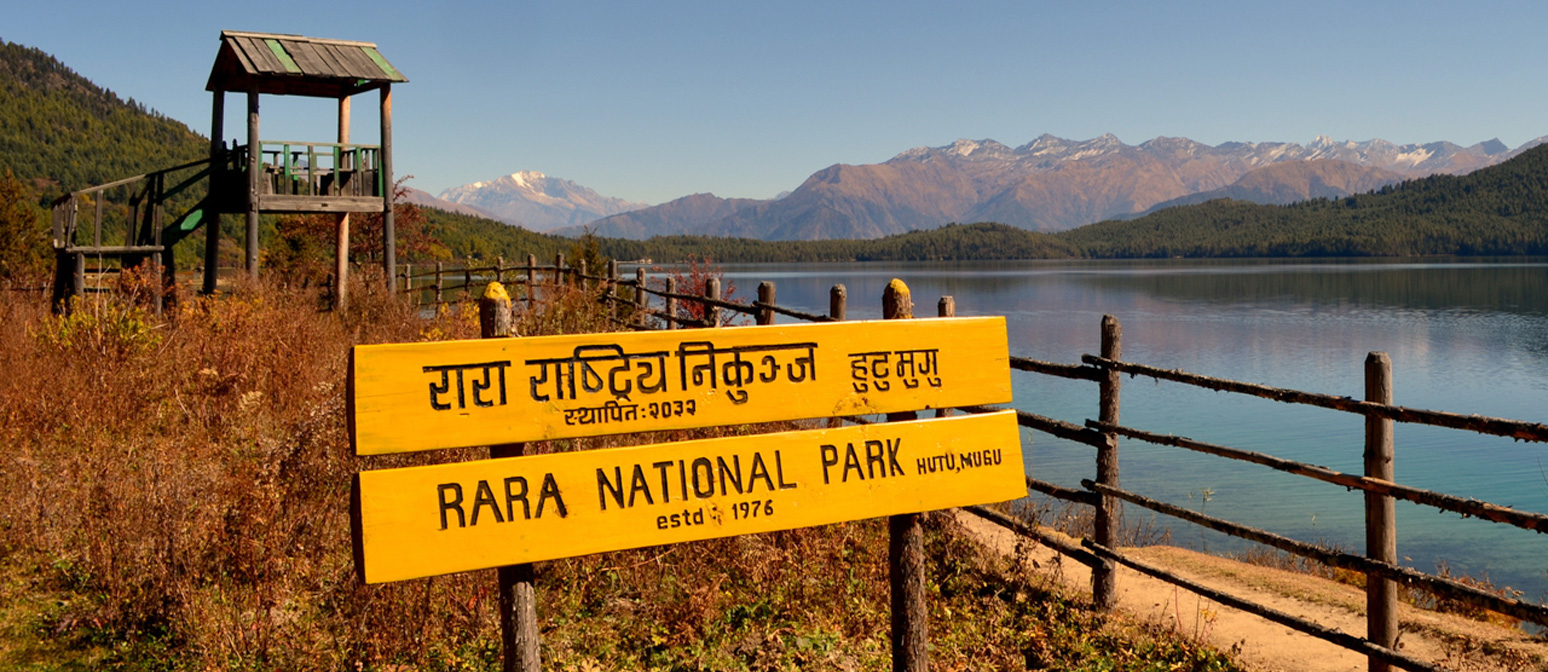
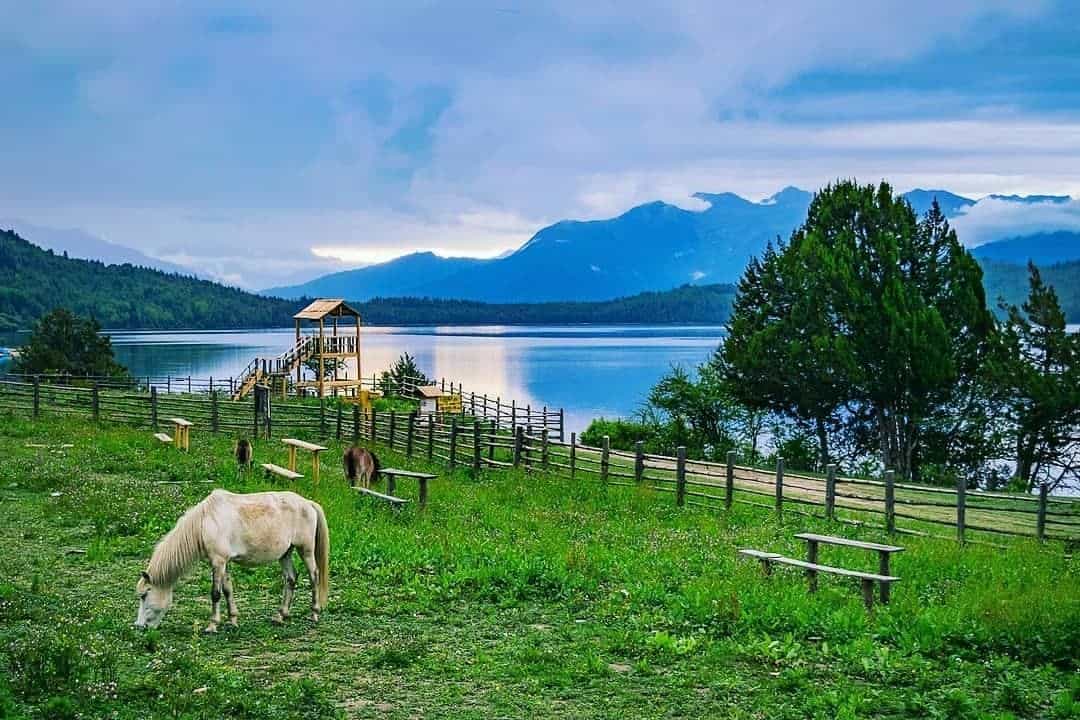
Rara National Park, established in 1976, is Nepal’s smallest national park, covering 106 square kilometers in the remote Mugu and Jumla districts. It encompasses Rara Lake, Nepal’s largest and deepest lake, surrounded by alpine forests and snow-capped peaks. The park protects diverse flora and fauna, including endangered species like the red panda and musk deer. It hosts over 200 bird species and unique aquatic life such as the snow trout. Its pristine environment, scenic beauty, and cultural significance make Rara National Park a vital conservation area and popular destination for trekking, wildlife watching, and nature enthusiasts. The park also plays an important ecological role in maintaining regional biodiversity and water regulation.
Color-Changing Waters
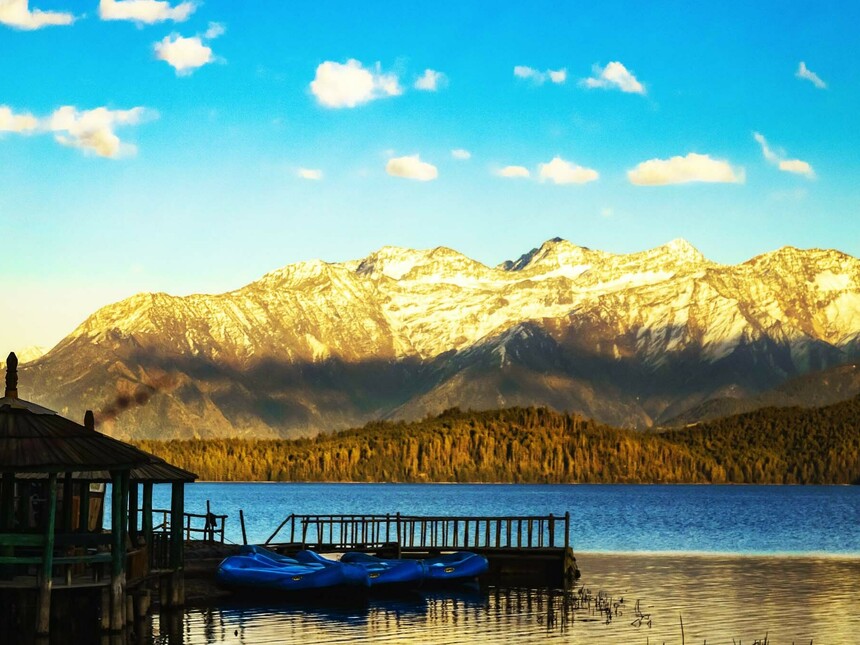
Rara Lake in Nepal is famous for its remarkable color-changing waters, shifting hues up to five times a day depending on sunlight and weather. The lake appears deep blue in the morning, turns greenish-blue by afternoon, and in the evening adopts serene silver and grey hues, creating a breathtaking natural spectacle that enchants visitors.
Trekking & Festivals
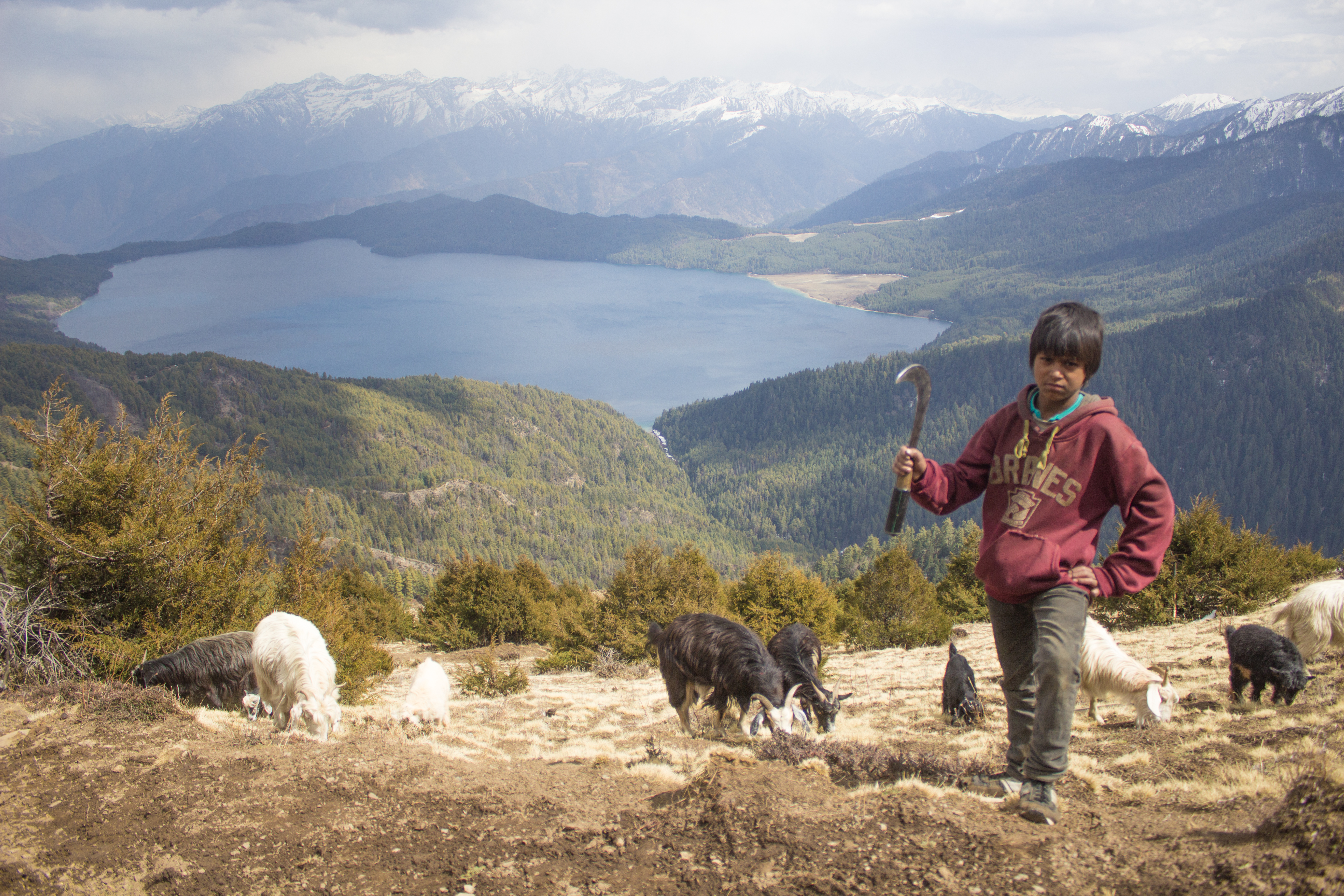
Trekking around Rara Lake offers breathtaking views of pristine alpine forests, snow-capped peaks, and remote Tibetan-influenced villages. The trails meander through diverse ecosystems rich in flora and fauna, providing an immersive nature experience. Festivals like Janai Purnima celebrate the local culture at the lake, attracting pilgrims for rituals and vibrant gatherings, highlighting the spiritual significance of this serene Himalayan destination.
Visitors Image Gallery